Closing the Loop is no longer optional: Why Fashion's Next Competitive Advantage Starts After the Sale?

For more than a decade, the sustainability conversation in fashion has largely focused on what happens before a product reaches the customer. The industry invested in better materials, lower-emission manufacturing, renewable energy, supplier transparency, and increasingly sophisticated compliance frameworks. These changes were necessary and continue to matter. But looking across recent industry conversations - from Fashion for Good’s work on circular infrastructure and AI, to reflections from Ken Pucker, perspectives shared by Patrick Frisk, legal commentary from Victoria C.N. Scholz, and broader market analysis by McKinsey & Company and The Business of Fashion - a different question is starting to emerge. Not how we make products, but what happens once they leave the warehouse.
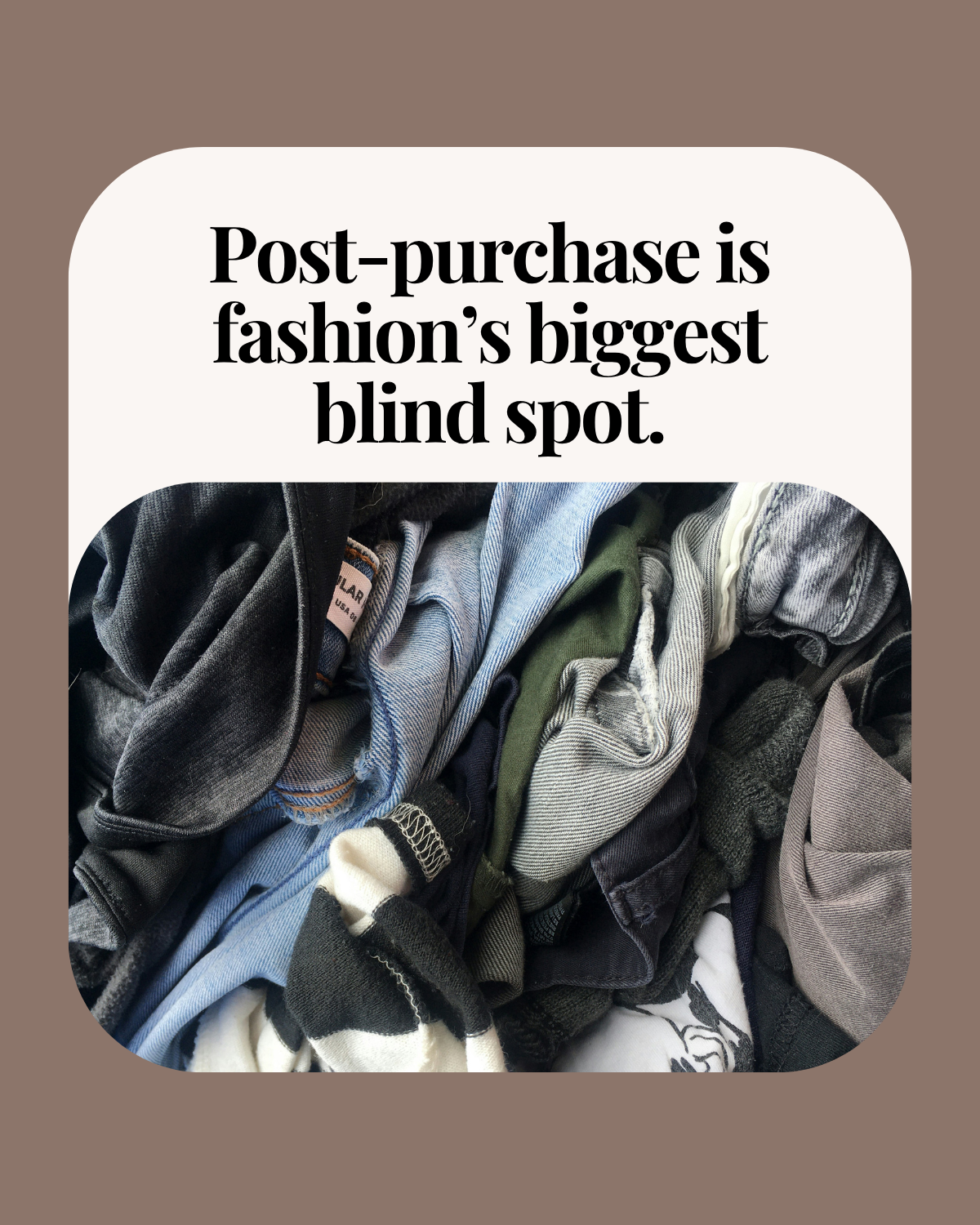
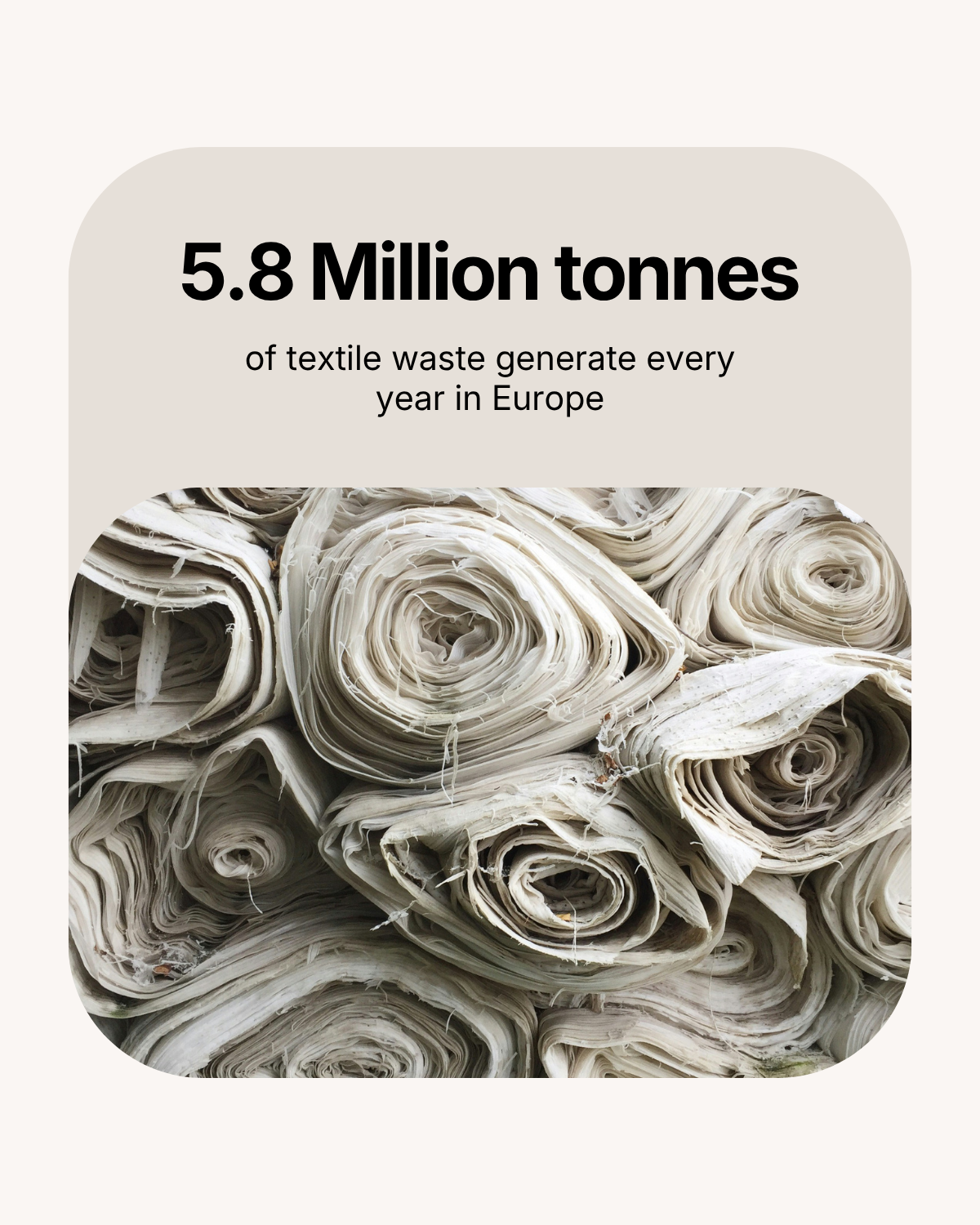
This shift is not philosophical - it is becoming operational and increasingly regulatory. According to the European Environment Agency, Europeans generate approximately 5.8 million tonnes of textile waste every year, equivalent to around 11 kilograms per person annually, while collection, sorting, reuse, and recycling infrastructure still lag behind the pace of consumption. At the same time, new European requirements are changing the rules of the game. Mandatory separate textile collection has begun entering implementation phases across Europe, while frameworks such as Extended Producer Responsibility (EPR), the upcoming Digital Product Passport (DPP), growing ESG reporting requirements, and broader circular economy legislation are gradually moving brands from product responsibility toward lifecycle responsibility. Combined with the continued growth of e-commerce and returns, brands are increasingly expected not only to manufacture responsibly but also to understand, document, and optimise what happens after purchase.
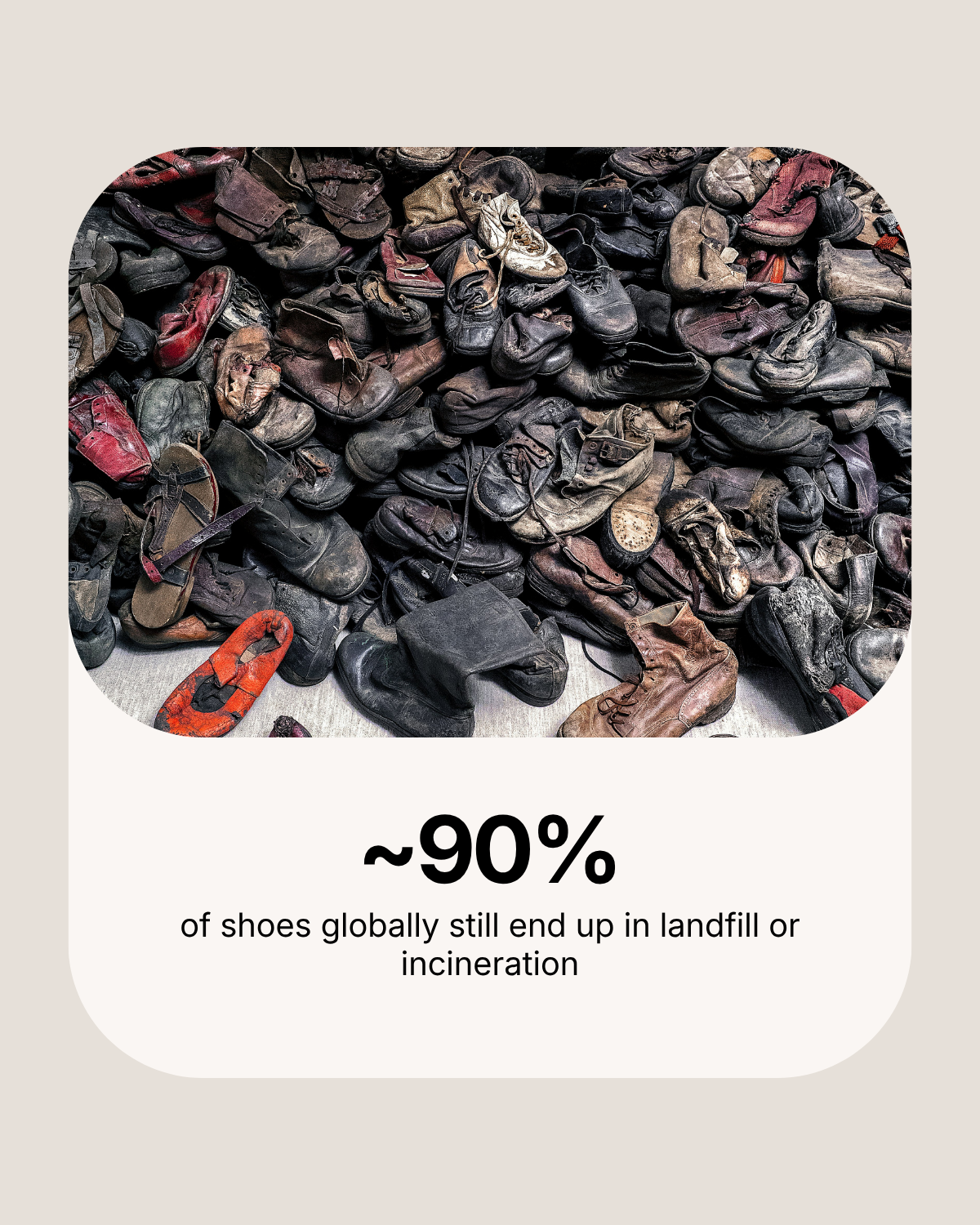
What became especially visible in recent circular innovation initiatives is that the industry is already trying to build this future - but mostly from the upstream side of the value chain. In Fashion for Good’s Closing the Footwear Loop initiative, developed together with ecosystem partners working on circular systems, one number stands out: approximately 23–24 billion pairs of shoes are produced globally each year, while close to 90% still end up in landfill, incineration, or unmanaged waste streams due to complex construction and limited recovery infrastructure. Similar patterns appear across projects such as Project Rewear and Future Forward Factories, supported by organisations including H&M Foundation, Laudes Foundation, and industrial partners. These programmes explore new recycling technologies, sorting systems, material innovation, recovery pathways, and manufacturing redesign that could significantly reduce environmental impact while improving economic resilience. The direction is promising and necessary — but it also reveals a structural blind spot. Most circular innovation still begins before the customer. Very little begins when the product comes back.
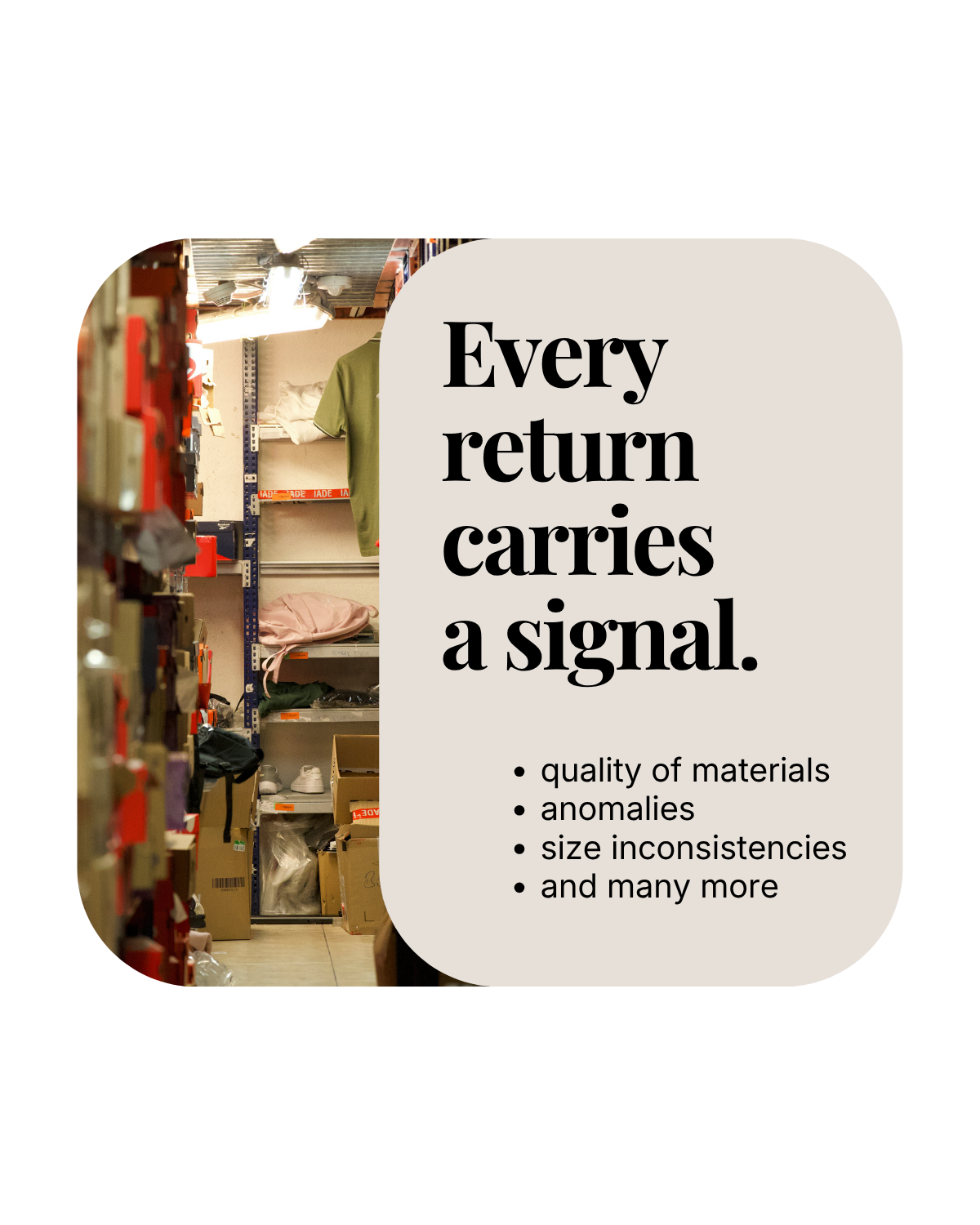
At the same time, AI is entering fashion at unprecedented speed. Much of today’s conversation focuses on demand forecasting, intelligent sourcing, inventory optimisation, generative design, or autonomous supply chain orchestration. Fashion for Good’s recent future scenarios for Fashion Supply Chain 2036 envision increasingly adaptive, predictive, and AI-native operating models across the industry. But one assumption often remains hidden underneath these projections: that reliable operational data already exists. In reality, one of the least structured parts of retail remains post-purchase operations. Returned products frequently enter reverse logistics flows with minimal context and fragmented documentation. Decisions with direct financial, operational, and environmental consequences are still too often based on manual inspection, generic return categories, and incomplete information. Yet every returned product carries a signal — about quality, durability, customer expectations, product-market fit, usage behaviour, supply chain decisions, and future product development opportunities. The challenge is not the absence of data. It is the absence of systems capable of capturing and translating it.
This is where our perspective at CIRQUEL begins. We believe the next generation of circular fashion infrastructure will not be built around waste management alone - it will be built around intelligence. CIRQUEL is an AI returns intelligence platform helping brands transform returns, unsold inventory, and warranty claims into structured operational decisions. Through visual inspection, quality forecasting, anomaly detection, and contextual data collection - including structured inputs directly from end consumers - we help brands understand the condition of products earlier and act on that information faster. Every product returning to the ecosystem becomes an opportunity to generate insight: insight about product performance, recurring defects, customer sentiment, material longevity, monetisation pathways, and future sourcing decisions.
In that sense, returns are no longer simply a cost centre or an unavoidable consequence of commerce. They are becoming one of the richest and least utilised sources of intelligence available to brands. As regulation evolves and circular business models mature, the companies that create competitive advantage will not necessarily be those producing more products - but those learning more effectively from the products already in circulation.
Closing the loop will not happen through recycling alone.
It will happen when circularity becomes measurable, operational, and intelligent.
Anna Warchalowska is CEO and co-founder of CIRQUEL. If you are a brand, investor or partner interested in circular fashion, sustainable returns, or commercial partnerships, we would love to connect at cirquel.co.